What to Plant in Grow Bags This Month: April in Florida
April is the pivot. Florida's easy growing window is closing — cool-season crops are bolting, summer heat is creeping in, and by mid-May your planting options drop to a handful of heat survivors.
This is your last comfortable month to get warm-season crops established before they have to fight 95-degree days and daily thunderstorms. What you plant now determines whether your summer garden produces or just survives.
Here's what goes in your grow bags in April if you're in Zone 9b or 10a. Need the full year? See our month-by-month Florida planting calendar.
This article contains affiliate links. If you buy through our links, we may earn a small commission at no extra cost to you.
Quick Reference: April Grow Bag Planting Chart
| Crop | Method | Grow Bag Size | Days to Harvest | Effort Level |
|---|---|---|---|---|
| Sweet potatoes | Slips | 10–20 gal | 90–120 days | Very low |
| Okra | Direct sow | 10 gal | 55–65 days | Low |
| Southern peas (cowpeas) | Direct sow | 5–10 gal | 60–70 days | Very low |
| Everglades cherry tomato | Transplant | 5–10 gal | 60–70 days | Low |
| Hot peppers | Transplant | 5 gal | 70–90 days | Low |
| Thai basil 'Siam Queen' | Transplant or sow | 3–5 gal | 30 days | Minimal |
| Malabar spinach | Direct sow | 5–10 gal | 70 days | Very low |
| Yard-long beans | Direct sow | 5–10 gal | 60–80 days | Low |
Not sure what size bag to grab? Our grow bag size guide has the full breakdown by vegetable.
The April Rules for Florida Grow Bag Gardening
Before you plant anything, understand what April means for your grow bags:
Soil temperatures are climbing fast. Ground-level soil in South Florida hits 75–80°F by mid-April. Grow bags warm up faster than in-ground beds because air circulates around all sides. This is an advantage for heat-loving crops — they establish quickly. But it also means anything that prefers cool soil (lettuce, spinach, broccoli) is done. Don't fight it.
Watering demands jump. You'll go from watering every 2–3 days to daily by the end of April. If your drip irrigation isn't set up on a solar timer, now is the time. Seriously — the difference between a productive summer garden and a dead one is automated watering.
Afternoon thunderstorms start. Florida's rainy season begins in late May, but April brings the warm-up storms. Grow bags handle this fine — excess water drains through the fabric walls, which is a major advantage over plastic pots and in-ground beds that waterlog.
What to Plant in Grow Bags Right Now
1. Sweet Potatoes
April is the ideal month to plant sweet potato slips in Florida grow bags.
Sweet potatoes are the ultimate lazy crop. Stick a slip in a large grow bag, water it, and check back in 4 months. They handle Florida heat without flinching, they're drought-tolerant once established, and pests largely ignore them.
Grow bag size: 10–20 gallon. Sweet potatoes need depth and room for tubers to develop. A 20-gallon bag gives you the best yield per plant.
How to plant: Push 2–3 slips per 20-gallon bag, spaced 6 inches apart. Bury each slip halfway. The vines will cascade over the sides — that's normal and looks great on a patio.
Florida tip: Sweet potatoes are one of the few crops that produce well through Florida summer. Plant now and harvest in August or September when you have nothing else going.
Why grow bags work: Harvest is dead simple — dump the bag and pick out your potatoes. No digging, no forking through clay. This alone makes grow bags the best container for sweet potatoes.
2. Okra
Okra loves heat. April in Florida is perfect timing.
Most vegetables struggle when temperatures stay above 90°F. Okra doesn't — it actually produces better in high heat. It's one of the few crops you can plant in April and expect to harvest all the way through September.
Grow bag size: 10 gallon. Okra plants get 4–6 feet tall, so they need root room and a stable base. One plant per bag.
How to plant: Direct sow 2–3 seeds per bag, 1 inch deep. Thin to the strongest seedling after they germinate (5–10 days in warm soil).
Florida tip: Clemson Spineless is the standard variety, but consider Burgundy or Star of David for something different. All perform well in Zone 9b/10a.
Harvest note: Pick pods when they're 3–4 inches long. Every 2 days once they start producing. Skip a few days and they turn woody and tough.
3. Southern Peas (Cowpeas)
Zero-effort protein that thrives in Florida heat and poor soil.
Southern peas — black-eyed peas, crowder peas, zipper cream — are criminally underrated for grow bag gardens. They fix their own nitrogen (so they feed the soil), they're drought-tolerant, and they produce prolifically in exactly the conditions that kill most vegetables.
Grow bag size: 5–10 gallon. Bush varieties work in 5-gallon bags. Vining types need 10 gallon and a small trellis.
How to plant: Direct sow 1 inch deep, 3–4 seeds per 5-gallon bag. No need to start indoors — peas germinate fast in warm soil.
Florida tip: Don't fertilize heavily. Southern peas are legumes — they make their own nitrogen. Too much fertilizer gives you all vine and no peas.
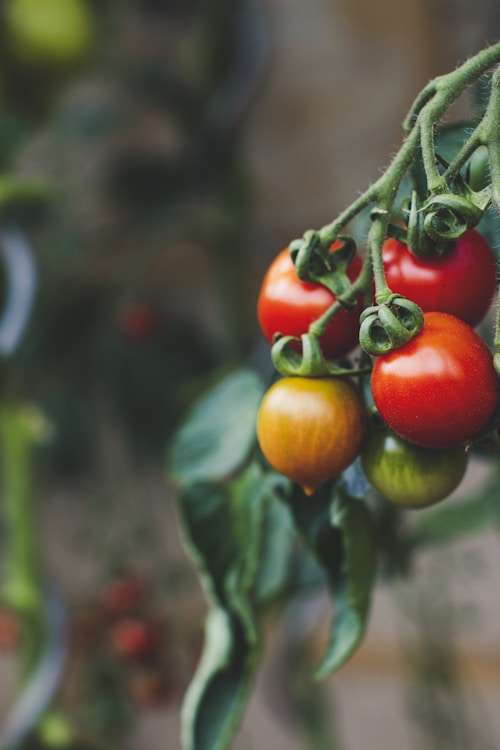
4. Everglades Cherry Tomato
The only tomato that produces through Florida summer — and April is a great time to transplant.
Standard tomatoes stop setting fruit when nighttime temperatures stay above 75°F, which happens by May in most of Florida. The Everglades cherry tomato is a wild Florida native that doesn't care. It fruits year-round in Zone 9b/10a.
We wrote a complete guide to growing Everglades tomato in Florida — read that for the full picture.
Grow bag size: 5–10 gallon. These plants sprawl aggressively, so a tomato cage or trellis helps keep them manageable.
How to plant: Transplant established seedlings now. You can also direct sow, but transplants give you a head start before peak heat arrives.
Florida tip: Everglades tomatoes self-seed. One plant this year means volunteer plants in your grow bags next year. For lazy gardening, it doesn't get better than that.
Everglades Tomato Seeds (30 Seeds, Non-GMO)
Wild Florida heirloom cherry tomato. Heat-tolerant, self-seeding, and productive year-round in Zone 9b/10a. Plant now for summer-long harvests.
Check price on Amazon (paid link)5. Hot Peppers
Peppers planted in April establish before summer and produce for years in Florida.
Here's the thing most beginners miss: pepper plants are perennial in Zone 9b/10a. A hot pepper planted in a grow bag this month can produce fruit for 2–3 years without replanting. Jalapeños, habaneros, Thai chilies — they all come back.
Grow bag size: 5 gallon. Hot peppers have compact root systems and don't need the space that tomatoes or sweet potatoes do.
How to plant: Transplant nursery starts now. Starting from seed in April is too late — they won't fruit before summer stress kicks in. Buy a transplant, get it in a grow bag, and let it establish its root system before June.
Florida tip: Afternoon shade helps during peak summer. Grow bags are portable — move your pepper bag to a spot that gets morning sun but afternoon shade once temps consistently hit 95°F.
6. Thai Basil 'Siam Queen'
The fastest return on a grow bag — harvestable in 30 days.
If you want something growing right now, Thai basil is your instant gratification crop. Transplant a nursery start into a grow bag today, and you're picking leaves in 3–4 weeks.
Grow bag size: 3–5 gallon. A 3-gallon bag handles one generous basil plant. A 5-gallon bag can hold 2–3 plants.
How to plant: Transplant nursery starts for fastest results. Direct sowing works but adds 2–3 weeks to your timeline.
Florida tip: Thai basil 'Siam Queen' is downy mildew-resistant and self-seeding — it survives Florida summer when sweet basil dies. The anise-forward flavor works in stir-fries, curries, and summer rolls. For more Florida-proof herb picks, see our herb growing guide.
Everwilde Farms — 500 Siam Queen Basil Herb Seeds
The Florida-proof basil. Downy mildew-resistant, self-seeding, and productive through summer heat. Plant in April, harvest through October.
Check price on Amazon (paid link)7. Malabar Spinach
The summer spinach that actually works in Florida.
Regular spinach bolts the moment it gets warm. By April in Florida, it's done. Malabar spinach is a completely different plant — a tropical vine that produces thick, spinach-like leaves all summer long. It thrives in exactly the heat and humidity that kills regular spinach.
Grow bag size: 5–10 gallon. Malabar spinach is a vine and needs a small trellis. A 10-gallon bag with a 4-foot stake or cage works well.
How to plant: Direct sow seeds 1/2 inch deep. Germination takes 10–21 days (soak seeds overnight to speed it up). Or transplant starts if your nursery carries them.
Florida tip: This is a cut-and-come-again crop. Harvest the leaves and the vine keeps growing and producing. One plant feeds a family through summer.
8. Yard-Long Beans
A heat-loving bean that produces when regular beans quit.
Standard green beans stop producing when it gets hot. Yard-long beans (also called asparagus beans) are a tropical species that produces best in high heat and humidity — exactly what Florida delivers from May through September.
Grow bag size: 5–10 gallon. They're vigorous climbers, so pair each bag with a trellis or stake at least 6 feet tall.
How to plant: Direct sow 1 inch deep, 4–5 seeds per 10-gallon bag. They germinate fast in warm soil (5–7 days).
Florida tip: Pick pods when they're about 12–18 inches long (despite the name, you don't wait for a full yard). Pick every 2–3 days to keep the plant producing.
What NOT to Plant in April (Save Yourself the Disappointment)
Skip these — their window is closed until October:
- Lettuce, spinach, arugula — they'll bolt within days in April heat
- Broccoli, cauliflower, cabbage — cool-season brassicas; they're done
- Carrots, beets — germination drops dramatically above 80°F soil temps
- Standard tomatoes (not Everglades) — they'll stop setting fruit by May
- Peas (English/sugar snap) — only southern peas handle the heat
Don't waste a grow bag on something that can't handle the next 5 months. Focus on crops that produce through summer, not despite it.
April Setup Checklist for Grow Bag Gardens
If you're planting grow bags this month, run through this list:
- [ ] Drip irrigation installed and tested. Daily watering by hand gets old by Week 2 of May. Our drip kit guide covers setup.
- [ ] Solar timer connected. Automate your watering now, before you need it. Solar vs. battery timer comparison.
- [ ] Grow bags sized correctly. Undersized bags = stressed plants in summer heat. Size guide by vegetable.
- [ ] Soil mix ready. Florida native soil is sand. You need a proper grow bag mix. Our soil setup guide covers it.
- [ ] Shade plan for summer. Some crops (peppers, herbs) benefit from afternoon shade once we hit consistent 95°F days. Grow bags are portable — plan where you'll move them.
vinmoso 10-Gallon Grow Bags 10-Pack
Thick 300GSM nonwoven fabric. Reinforced handles, BPA-free, UV-resistant. The grow bags we recommend for Florida heat.
Check price on Amazon (paid link)Smart WiFi Solar Water Timer 2-Zone
Solar-powered, WiFi-connected, 2-zone watering. Set it up once and forget about it — exactly what a lazy garden needs in Florida summer.
Check price on Amazon (paid link)FAQ
Is April too late to plant tomatoes in Florida?
For standard tomatoes, yes — they stop setting fruit when nighttime temperatures stay above 75°F, which happens by May in most of Florida. The exception is Everglades cherry tomato, a wild Florida native that fruits year-round in Zone 9b/10a. Plant Everglades tomato transplants in April and they'll produce all summer.
How often should I water grow bags in April in Florida?
Start with every 2–3 days in early April and transition to daily watering by late April as temperatures climb. Grow bags dry out faster than in-ground beds because air circulates through the fabric walls. A solar-powered drip timer eliminates the guesswork and keeps your garden alive through summer.
What size grow bag do I need for vegetables in Florida?
It depends on the crop. Thai basil and herbs do fine in 3–5 gallon bags. Peppers, tomatoes, and beans need 5–10 gallon bags. Sweet potatoes and okra need 10–20 gallon bags for best yield. Our grow bag size guide has the full breakdown by vegetable.
Can I reuse grow bag soil from winter crops?
Yes. Remove old root material, mix in a few handfuls of compost, and replant. Florida's sandy-based soil mixes don't compact the way clay does, so grow bag soil stays usable for 2–3 seasons before it needs replacing. See our soil setup guide for the full mix recipe.
What vegetables survive Florida summer heat in grow bags?
Sweet potatoes, okra, southern peas, Everglades cherry tomatoes, hot peppers, Malabar spinach, yard-long beans, and Thai basil all produce through Florida's hottest months. These are the crops covered in this guide — they're selected specifically because they thrive in 90°F+ heat and high humidity.
This Is Part of a Monthly Series
This is the April edition of our monthly Florida grow bag planting guide. Each month covers what's worth planting, what to skip, and how to set up for success in the season ahead.
Growing in Florida is backwards from the rest of the country. Our cool season is everyone else's summer, and our summer is survival mode. This series follows that rhythm instead of pretending Florida follows the same calendar as Ohio.
Up next: What to Plant in Grow Bags This Month: May in Florida — the heat survivors that keep producing through summer.
New to grow bag gardening? Start with our complete grow bag guide and come back here when you're ready to plant. Already growing? Check out the easiest vegetables for Florida grow bags for more low-effort picks.