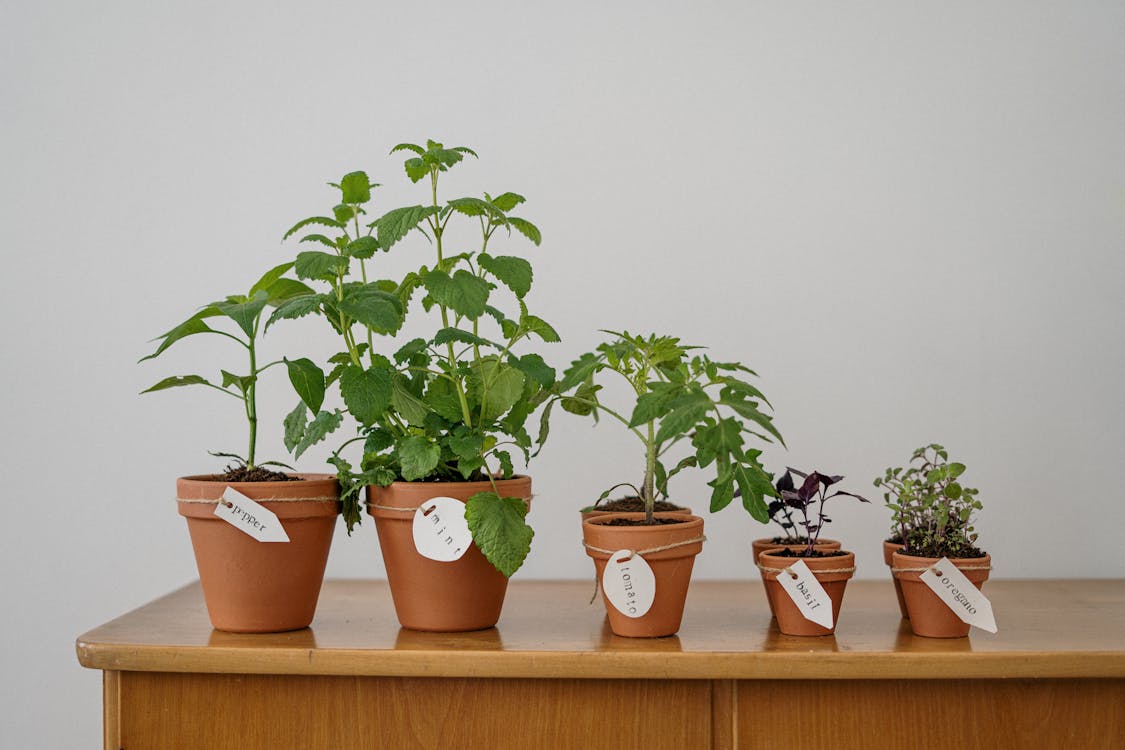
The Complete Florida Herb Growing Guide
Most herbs at Home Depot were bred for cool, mild climates. They die in Florida. Not because you're doing anything wrong — because they were never designed for 90-degree heat, monsoon rain, and 85% humidity.
This guide covers everything: which herbs actually thrive here, the swaps that save you from replanting every season, indoor growing for apartment dwellers, and a container setup that runs on autopilot. See our complete Florida garden starter guide for the full setup process.
Why Herbs Are the Best First Garden in Florida
- Fast results. Most herbs are harvest-ready in 3-6 weeks from transplant.
- Small space. A single pot on a patio is a complete herb garden.
- Low cost, high value. A $3 basil plant produces $30+ worth of fresh basil over its life.
- Forgiving. Herbs tolerate irregular watering, mediocre soil, and imperfect sun better than vegetables.
- Immediate payoff. Cut some basil, toss it on pasta. Tonight.
The 10 Best Herbs for Florida
Ranked from easiest to slightly-less-easy (they're all easy).
1. Mint — Nearly Impossible to Kill
Mint is the cockroach of the herb world — and I mean that as a compliment. It thrives in Florida heat, tolerates partial shade, spreads aggressively, and comes back even after you think you've killed it.
- Always grow in containers. Mint in the ground will colonize your entire yard.
- Tolerates shade — 4 hours of sun is enough.
- Water regularly. Mint likes moisture more than most herbs.
- Harvest constantly. The more you cut, the bushier it grows.
Varieties: Spearmint, peppermint, chocolate mint, mojito mint. Pick the one you'll actually use.
Use for: Mojitos, teas, tabbouleh, fruit salads, or just rubbing a leaf when you walk by.
2. Rosemary — Set It and Forget It
Mediterranean native that loves heat and hates wet feet. Florida's sandy, well-drained conditions suit it perfectly.
- Full sun (6+ hours).
- Sandy, well-drained soil. Add extra perlite.
- Water only when soil is dry — drought-tolerant once established.
- Grows into a large woody shrub. Plan for space or prune regularly.
Varieties: Tuscan Blue (best for Florida heat), Prostrate (trailing, good for hanging baskets), Arp (most cold-hardy for North Florida).
Use for: Roasted potatoes, chicken, bread, focaccia, infused olive oil.
3. Thai Basil 'Siam Queen' — The Florida Basil
Sweet basil dies from downy mildew every Florida summer. Thai basil is a different species bred for Southeast Asian climates — hot, humid, wet.
- Downy mildew-resistant.
- Self-seeding — drops seeds, new plants come up on their own.
- Bolts slower than sweet basil. Even flowering leaves are still usable.
- Anise-forward flavor. Great in stir fries, Vietnamese dishes, Thai curries.
If you want sweet basil anyway: pinch flowers before they open, plant new basil every 6-8 weeks, and accept that individual plants decline after a few months.
4. Lemongrass — Plant It and Stand Back
Tropical grass that grows into massive clumps. Perennial, comes back every year, requires almost zero attention.
- Full sun. Any soil.
- Grows 3-5 feet tall — give it space or use as ornamental border.
- Contains citronella oil — real mosquito deterrent near your patio.
- Free start: Buy a stalk from Publix, root it in water for 1-3 weeks, then plant.
Use for: Thai soups (tom kha, tom yum), stir-fries, tea, marinades.
5. Green Onions / Garlic Chives — Almost Automatic
Green onions grow year-round. Start from seed, transplants, or stick the root end of grocery store green onions into soil.
Upgrade to garlic chives (Allium tuberosum) — flat leaves, white star-shaped flowers, garlic-onion flavor. More heat-tolerant than regular chives and UF/IFAS recommended for Florida. The allium scent deters aphids and whiteflies — plant near tomatoes and peppers.
Use for: Everything. Eggs, stir-fries, soups, salads, baked potatoes.
6. Cuban Oregano — Almost Impossible to Kill
Not true oregano — it's a succulent-type herb in the mint family. UF/IFAS describes it as "almost impossible to kill."
- Drought-tolerant (thick, water-storing leaves).
- Perennial in Zone 10a, no winter dieback.
- Self-propagating — a dropped leaf roots itself in nearby soil.
- Stronger flavor than Italian oregano, so start with less.
Replaces sage, which rots in Florida humidity within one season.
Use for: Anything you'd use oregano or sage for — pizza, pasta sauce, roasted meats.
7. Culantro — The Cilantro That Doesn't Bolt
Regular cilantro bolts within days above 75 degrees. Culantro (Eryngium foetidum) is the tropical cousin with the same flavor (actually stronger — use less).
- Perennial in Zone 10a — plant once, harvest for years.
- Prefers shade. Perfect for that spot behind taller plants or along your fence.
- Year-round production.
- Same culinary use — salsas, pho, Caribbean rice dishes.
8. Lemon Balm — The Lavender Replacement
Lavender rots in Florida humidity. Lemon balm covers everything you wanted from it:
- Citrus-lemon fragrance, pleasant and strong.
- Perennial, handles Florida heat and humidity.
- Contains citronellal — a real mosquito deterrent. Place it where you'll brush the leaves walking by.
- Self-seeds gently without taking over.
Use for: Teas, lemonade, desserts, salad additions.
9. Turmeric — Easy If You're Patient
Grows from rhizomes. Takes 8-10 months to harvest but requires almost zero effort.
- Partial shade to full sun.
- Rich, moist soil with good drainage.
- Plant rhizomes 2 inches deep in spring. Water occasionally.
- Perennial in Zone 10a+. Multiplies each year.
Use for: Curries, golden milk, smoothies, rice dishes.
10. Ginger — Thrives Where Nothing Else Will
Like turmeric, grows from rhizomes and loves Florida conditions. One of the few crops that prefers shade.
- Partial shade to full shade. Ginger sunburns in direct Florida sun.
- Rich, moist soil. Mix in extra compost.
- Harvest after 8-10 months when leaves yellow.
Use for: Stir-fries, teas, marinades, baking, curries, homemade ginger ale.
The 5 Florida Herb Swaps
Every herb you keep replacing has a heat-adapted perennial alternative. Plant once, harvest for years.
| Instead of... | Plant this | Why |
|---|---|---|
| Cilantro | Culantro | Perennial, heat-loving, same flavor (stronger) |
| Sweet basil | Thai basil 'Siam Queen' | Downy mildew-resistant, self-seeding |
| Lavender | Lemon balm | Fragrant, mosquito-deterring, humidity-tolerant |
| Sage | Cuban oregano | "Almost impossible to kill" (UF/IFAS), self-propagating |
| Regular chives | Garlic chives | More heat-tolerant, better pest control, UF/IFAS recommended |
Why these herbs fail in Florida:
- Heat bolting. Above 75-80 degrees, many herbs switch from leaf production to flower/seed mode. The plant is dying on purpose.
- Downy mildew. Hot, humid summers breed fungal disease. Sweet basil dies from it every year.
- Humidity rot. Plants like lavender that evolved in dry Mediterranean climates rot at the roots.
The fix isn't trying harder. It's planting the right plants.
Growing Herbs Indoors in Florida
Don't have outdoor space? A windowsill herb garden works great — with one rule: light is everything.
Most culinary herbs come from the Mediterranean. They want a lot of light. A dark corner will slowly kill them.
What you need: A window with 4-6 hours of direct sunlight. South-facing is ideal. East-facing works for most herbs. North-facing doesn't work.
If your apartment doesn't have great light, a basic LED grow light ($15-40) clips onto a shelf and keeps herbs growing year-round. Set it on a timer for 12-14 hours.
Best Indoor Herbs
- Garlic chives — Most forgiving. Tolerates imperfect light and irregular watering.
- Mint — Almost aggressive growth. Keep in its own pot.
- Basil — Thai basil preferred; sweet basil works indoors but replace every 6-8 weeks. Needs the most light (6-8 hours). Pinch flowers religiously.
- Parsley — Slow start, steady producer. Buy transplants for faster results.
- Rosemary — Bright window, excellent drainage, infrequent watering. The biggest indoor killer is overwatering.
Indoor Growing Tips
- Containers: Any pot with drainage holes. Terra cotta is excellent — porous, lets roots breathe.
- Soil: Potting mix (not garden soil). Add perlite for Mediterranean herbs.
- Watering: Stick your finger one inch into the soil. Dry? Water thoroughly. Still moist? Wait. For a hands-off watering setup, a drip irrigation kit on a solar timer keeps herbs watered automatically.
- Harvesting: The more you harvest, the more your herbs produce. Never remove more than 1/3 at once. Cut above a leaf node.
- Grocery store hack: Buy a potted herb, repot into a slightly larger pot with fresh mix, and place in a sunny window. A $3 grocery store basil plant can produce for months.
Container Herb Garden Setup
Containers are often the best choice for Florida because you control drainage and can move plants into shade during heat waves.
The Starter Herb Garden (3 pots, under $30)
- Pot 1 (5-gallon): Thai basil + green onions (both like moisture)
- Pot 2 (5-gallon): Rosemary + oregano (both like dry conditions)
- Pot 3 (3-gallon): Mint (always alone — it takes over shared pots)
vinmoso 10-Pack 5 Gallon Grow Bags
These 5-gallon fabric bags are the right size for most herb pairings — rosemary + oregano, basil + green onions. Breathable fabric keeps roots cool in Florida heat. A 10-pack gives you the starter garden plus room to expand. (paid link)
Check price on Amazon (paid link)Need help choosing the right bag size for each herb? Our grow bag size guide covers exact sizing by plant type. For Florida-rated fabric bags, see our best grow bags for Florida heat roundup.
The Expanded Garden (add these)
- Pot 4 (10-gallon): Lemongrass (needs room)
- Pot 5 (7-gallon): Turmeric or ginger (needs depth)
- Ground planting: Culantro in a shady spot
Soil
Most herbs prefer well-draining soil. Use quality potting mix with about 25% additional perlite. Exception: basil and culantro prefer richer, more moisture-retentive soil. For a deep dive on Florida-specific soil mixes, see our Florida grow bag soil setup guide.
Harvesting and Preserving
Harvest Tips
- Morning harvest gives the most flavor — essential oils peak before the heat.
- Cut, don't pull. Pulling tears roots.
- Harvest frequently. Regular cutting promotes bushier growth. Never take more than a third at once.
- Pick before flowering. Flavor is strongest before the plant puts energy into flowers.
What to Do With the Surplus
Florida herbs grow so aggressively you'll have more than you can use fresh:
- Freeze in olive oil. Chop herbs, pack into ice cube trays, cover with olive oil, freeze. Drop a cube into whatever you're cooking.
- Dry them. Bundle stems, hang upside down. Works great for rosemary, oregano, thyme.
- Make compound butters. Blend herbs into softened butter, roll into a log, freeze. Slice rounds for instant flavor.
- Infuse oils and vinegars. Pack herbs into bottles, cover with oil or vinegar, steep 2 weeks.
Herbs to Avoid in Florida (Or Grow Differently)
| Herb | Problem | Alternative |
|---|---|---|
| Cilantro | Bolts above 75 degrees | Culantro (perennial, stronger flavor) |
| Dill | Bolts fast in heat | Cool-season only (Oct-Feb) |
| Parsley | Bolts in summer | Cool-season only (Oct-Apr) |
| French tarragon | Needs winter dormancy | Mexican tarragon (Tagetes lucida) |
| Lavender | Rots in humidity | Lemon balm |
| Common sage | Crown rot, fungal disease | Cuban oregano |
FAQ
What herbs grow year-round in Florida?
Rosemary, mint, oregano, lemongrass, green onions/chives, and culantro all grow year-round. Basil grows nearly year-round but may need replanting after summer bolting. Turmeric and ginger are dormant in winter in North Florida but perennial in zone 10a+.
Can you grow cilantro in Florida?
Only from October through February, and succession plant every 2 weeks. Or just grow culantro instead — same flavor, stronger, and thrives year-round.
How much sun do herbs need in Florida?
Most need 6+ hours. In summer, afternoon shade helps basil. Culantro and ginger prefer shade. Mint tolerates as little as 4 hours.
Why does my basil keep dying?
Three causes: (1) Not pinching flowers. (2) Overwatering in dense soil. (3) Buying greenhouse-grown plants not acclimated to Florida. Start from seed or harden off transplants gradually.
Get Started This Weekend
Buy a pot of rosemary and a pot of mint. Stick them in the sun (partial shade for mint). Water when dry. Cut pieces and put them in your food.
That's it. You're an herb gardener.
Once those two are thriving, add Thai basil, then lemongrass, then whatever sounds good. Build from success, not from a master plan.
Thai Basil Siam Queen Seeds (500+ Seeds)
Siam Queen is the Thai basil variety bred for heat — it handles Florida summers without bolting as fast as sweet basil. One packet grows more basil than you can eat. Start indoors or direct sow after soil warms above 70°F. (paid link)
Check price on Amazon (paid link)Related Guides
- The Lazy Gardener's Guide to Grow Bag Gardening — the full guide to growing food in pots
- Florida Planting Calendar: What to Grow Month by Month — exactly when to start each herb
- How to Start a Garden in Florida for Beginners — the complete Florida garden starter guide
Some links on this page are affiliate links. If you buy through them, we earn a small commission at no extra cost to you. We only link to seeds and supplies we've actually researched.