Florida Grow Bag Soil Setup Guide
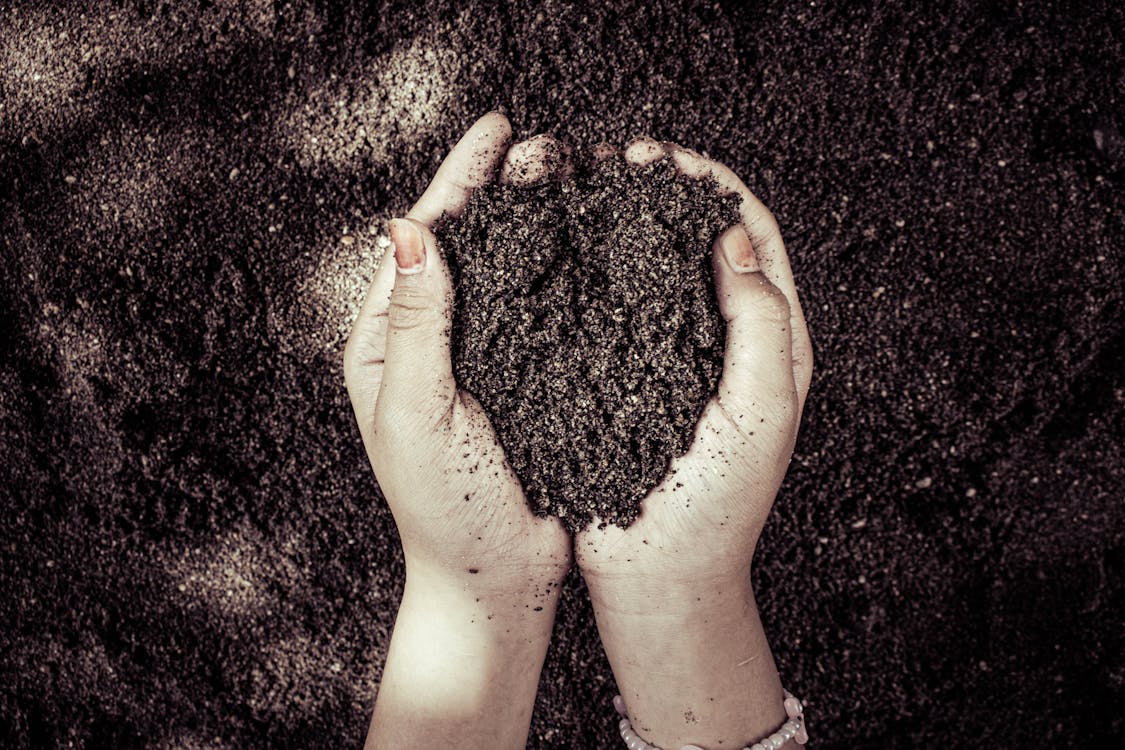
Florida's native soil is sand. In some areas, sandy limestone. Neither grows vegetables without serious amending — and even then, nutrients wash straight through.
The fix: go above ground. This guide covers the three decisions you need to make: what grow bag, what soil, and how to set it up so it runs on autopilot. See the full beginner guide for Florida gardening for the complete setup process.
Part 1: Grow Bags vs Raised Beds
You've accepted that Florida yard soil is useless for growing food. Smart. Now you're choosing between grow bags and raised beds. Here's the honest comparison.
Quick Comparison
| Factor | Grow Bags | Raised Beds |
|---|---|---|
| Cost | $2-8 per bag | $50-200+ per bed |
| Portability | Easily moved | Permanent fixture |
| Drainage | Excellent (almost too good) | Good with proper setup |
| Soil Volume | 5-15 gallons typical | 50-200+ gallons |
| Durability | 2-5 seasons | 5-20+ years |
| Heat Management | Breathable, roots stay cooler | Metal can cook roots; wood is better |
| Hurricane Prep | Grab and go | Staying put |
When to Choose Grow Bags
- You rent. No permanent modifications. Garden today, move tomorrow.
- Small patio or balcony. Grow bags fit anywhere.
- Beginner. Low commitment, low cost. Kill everything? You're out $20, not $200.
- Tight budget. Dollar for dollar, grow bags get you growing fastest.
The number one complaint: they dry out fast. Florida heat plus breathable fabric means daily watering in summer. A drip irrigation system on a solar timer solves this completely — and that's the lazy gardening approach.
When to Choose Raised Beds
- You own your home and want a permanent setup.
- Aesthetics matter. Raised beds look intentional.
- You hate daily watering. More soil volume holds moisture longer.
- Larger yields. More soil means bigger plants and more food.
Watch out for galvanized metal in Florida sun — it cooks roots at the edges. Line the inside with cardboard or position for afternoon shade.
Our Recommendation
Start with grow bags. They're cheap, forgiving, and portable. If you get serious, add a raised bed. The best Florida gardens use both — grow bags for herbs and greens that you move around, raised beds for permanent crops like tomatoes and peppers.
Part 2: Best Soil for Florida Grow Bags
If your grow bag garden is underperforming, it's almost certainly the soil.
Rule #1: Never Use Florida Yard Soil in Grow Bags
- It's mostly sand. Almost no organic matter. In grow bags, roots are trapped in nutrient-free sand.
- It compacts. Sand plus clay compresses into a brick when watered.
- It drains wrong. Paradoxically both too fast (nutrients wash through) and too slow (perched water table at the bottom).
- It carries pests. Nematodes, fungal spores, and weed seeds come free.
Use potting mix, not soil. Always.
What Makes Good Potting Mix for Florida
Florida's heat, humidity, and 50-60 inches of annual rain put unique demands on grow bag soil:
- Drain fast but retain some moisture. Summer downpours flood grow bags. But 95-degree days dry them out between rains.
- Hold nutrients despite heavy rain. Every downpour flushes nutrients. Organic matter (compost, worm castings) holds nutrients in the root zone.
- Resist compaction. Organic matter breaks down fast in Florida heat. A fluffy March mix becomes a dense mess by August.
Best Store-Bought Options
FoxFarm Ocean Forest Potting Soil 12 Qt
The gold standard for grow bags. Earthworm castings, bat guano, fish meal — enough built-in nutrients for 3-4 weeks. Best for transplants and anyone who wants to skip the initial fertilizer step. pH adjusted to 6.3-6.8, which is exactly where Florida vegetables want to be. (paid link)
Check price on Amazon (paid link)Espoma Organic Potting Mix 16 Qt
Solid mid-range option with mycorrhizae that help roots absorb water and nutrients in Florida's fast-draining conditions. You'll need to fertilize sooner than FoxFarm, but the price-per-bag is easier on the wallet when filling multiple grow bags. (paid link)
Check price on Amazon (paid link)Miracle-Gro Performance Organics — Easiest to find at any big box store. Decent but breaks down faster in Florida heat. May need refreshing mid-season.
Sta-Green Vegetable & Flower Garden Soil (Lowes) — Budget pick at ~$4-8 per 2 cu ft bag. Not a premium potting mix, but at this price you can fill a lot of bags cheaply. Mix in extra perlite for drainage.
Mix Your Own (40% Cheaper)
If you're filling many grow bags, mixing your own is cheaper and tailored for Florida:
| Ingredient | Ratio | Purpose |
|---|---|---|
| Pine bark fines | 40% | Structure, drainage, slow decomposition |
| Coconut coir | 30% | Moisture retention, lightweight |
| Perlite | 20% | Drainage, aeration |
| Compost or worm castings | 10% | Nutrients, microbial life |
Add a handful of slow-release fertilizer per 5 gallons of mix. This costs roughly 40% less than premium bagged soil.
Horticultural Perlite 8 Qt
The perlite component is critical for Florida grow bags — it keeps soil loose and draining after summer downpours. One 8-quart bag handles about five 10-gallon grow bags at 20% ratio. (paid link)
Check price on Amazon (paid link)Grow Bag Size and Soil Volume
| Grow Bag Size | Soil Needed | Best For |
|---|---|---|
| 3 gallon | 0.4 cu ft | Herbs, lettuce, green onions |
| 5 gallon | 0.7 cu ft | Peppers, bush beans, most herbs |
| 7 gallon | 1.0 cu ft | Single tomato, eggplant |
| 10 gallon | 1.5 cu ft | Tomatoes, peppers, root vegetables |
| 15-20 gallon | 2.0-2.5 cu ft | Multiple plants, small garden beds |
Refreshing Soil Between Seasons
Don't dump and replace everything. Florida heat breaks down organic matter fast, so refresh every 3-4 months:
- Remove old root balls and debris.
- Break up compacted areas.
- Mix in 25-30% fresh perlite, coir, and compost.
- Add slow-release fertilizer.
- Water thoroughly before planting.
Once a year (before fall season), do a complete swap in your most-used grow bags.
Part 3: The No-Dig Method
If you have ground space and want to build a permanent bed — or want to fill a raised bed the smart way — the no-dig method is the lazy gardener's best friend.
How It Works
Instead of tilling, you layer materials on top of existing ground. Earthworms and soil biology do the mixing for you.
Layer 1: Flatten existing grass or weeds. Don't remove — they become compost.
Layer 2: Cardboard. Lay it directly over the ground, overlapping 6+ inches. Remove tape/staples. This blocks light, killing grass underneath. Over months, earthworms eat through it.
Layer 3: Soak the cardboard thoroughly. Dry cardboard repels water.
Layer 4: Compost and topsoil. At least 4-6 inches if planting right away. This is your planting layer.
Layer 5: Mulch. 2-3 inches of wood chips, straw, or dried leaves. Retains moisture, suppresses weeds, feeds soil as it breaks down.
Can You Plant Right Away?
Yes — with enough compost (4-6 inches). Transplants work better than seeds in fresh beds. For seeds, wait a season or use a deeper compost layer.
Best Timing
Fall is ideal. Build it, let it sit over winter, plant in spring with a beautifully prepped bed.
Spring works too. Use a thick compost layer (6+ inches) and plant immediately.
Maintenance
Every season: add 1-2 inches of compost on top (never till). Refresh mulch as it breaks down. Never leave soil bare.
Over time, the bed gets better every year — more drainage, more nutrients, more earthworms, better growth. You're not skipping a step. You're doing it the smarter way.
Florida-Specific Tips for Any Setup
Mulch everything. 2-3 inches of mulch on any grow bag or bed reduces watering dramatically. In Florida, moisture retention is half the battle.
Elevate grow bags. Don't set fabric bags on concrete — reflected heat cooks roots. Use a plant stand, pallet, or cardboard underneath.
Position for afternoon shade. Full Florida summer sun is aggressive. Most vegetables do better with morning sun and afternoon shade from May through September.
Plan for drainage, not retention. Florida gardeners deal with afternoon deluges that dump an inch of rain in 20 minutes. Everything needs to drain fast.
Add perlite to any bagged mix. If it feels heavy or dense, mix in extra perlite before planting. This single step prevents most Florida grow bag problems.
FAQ
What's the best grow bag for Florida gardening?
10-gallon fabric grow bags are the best starting point. Cheap, breathable, portable, and the right size for most vegetables. Add raised beds later if you want more soil volume.
Can I use Miracle-Gro for grow bags in Florida?
Miracle-Gro Performance Organics works fine. Mix in extra perlite for drainage. For better results, consider FoxFarm Ocean Forest or mixing your own.
How often should I change potting soil in Florida?
Refresh every 3-4 months with fresh perlite, coir, and compost. Full replacement once a year before the fall growing season.
Is coconut coir better than peat moss for Florida?
Yes. Coir handles heat better, is easier to re-wet, decomposes slower, and is more sustainable. Peat works but needs more attention in Florida conditions.
Why is my potting soil pulling away from the grow bag edges?
The organic matter has broken down and the soil is shrinking. Break up the surface, mix in fresh coir or perlite, and water slowly until it re-expands.
Related Guides
- The Lazy Gardener's Guide to Grow Bag Gardening — the full guide to growing food in grow bags
- Best Grow Bags for Florida Heat — tested picks that handle UV and keep roots cool
- Grow Bag Size Guide — which gallon size for which vegetable
Some links on this page are affiliate links. If you buy through them, we earn a small commission at no extra cost to you. We only link to products we've actually researched.