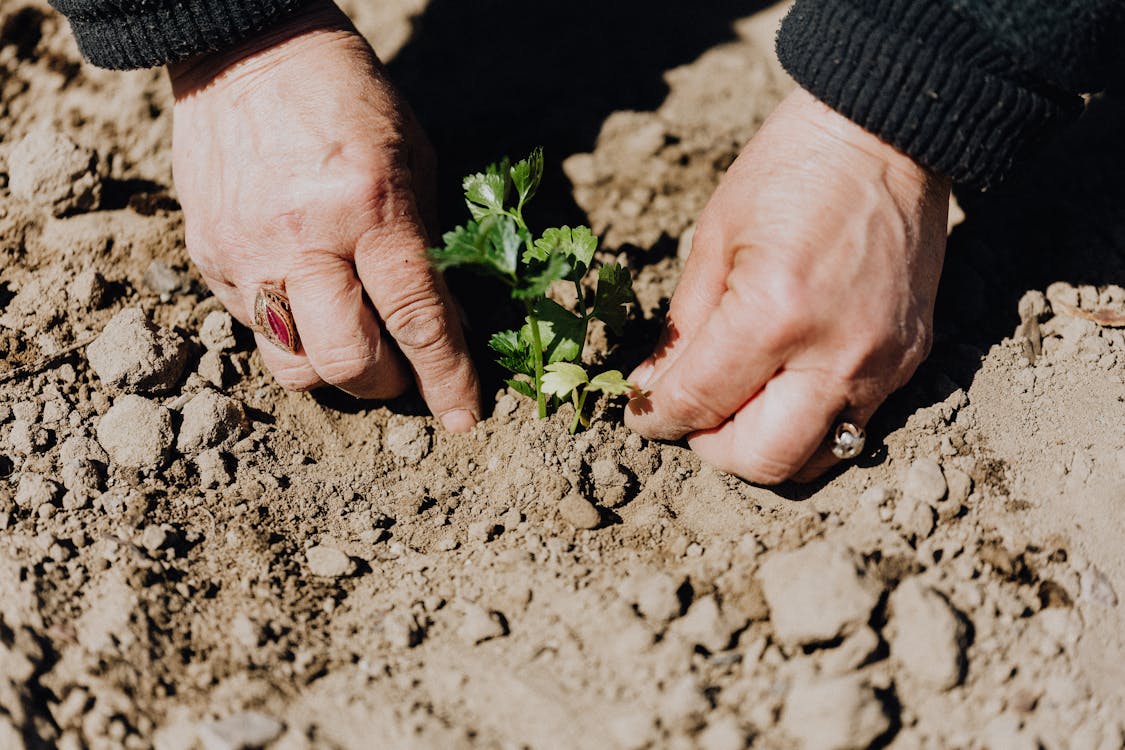
How to Start a Garden in Florida for Beginners
Florida gardening is nothing like what the magazines show you. Forget those tidy English cottage gardens and Midwestern June harvests. Down here, the rules are different — and that's actually good news.
Florida's long growing season means you can harvest food almost year-round. The trick is learning which rules to follow and which ones to throw out. If you're starting from zero, this guide covers everything you need to go from bare dirt (or concrete patio) to actual food on the table.
Step 1: Know Your Zone
Before you buy a single seed, figure out your USDA hardiness zone. Most of Florida falls between zones 8b and 11a. This matters because it determines:
- What survives your winters (or lack thereof)
- When to plant warm-season vs. cool-season crops
- Which varieties are bred for your climate
How to check: Search your zip code on the USDA Plant Hardiness Zone Map. South Florida is typically 10a–11a, Central Florida is 9a–10a, and North Florida is 8b–9a.
If you're in zone 10a — like us here in North Port — your planting calendar looks completely different from someone in Georgia or even Jacksonville. Check out our Florida planting calendar for a month-by-month breakdown.
Step 2: Pick Your Growing Method
You have three realistic options in Florida. Each one works, and the "best" one depends on your space, budget, and tolerance for effort.
Grow Bag Gardening (The Laziest Option)
Pots, grow bags, buckets — anything that holds soil and has drainage holes. This is the fastest way to start because you completely bypass Florida's sandy, nutrient-poor native soil.
Best for: Apartments, patios, renters, anyone who wants to start small.
Read our full grow bag gardening guide for the deep dive. If you're choosing between pot sizes, our grow bag size guide breaks down what works for each vegetable, and our best grow bags for Florida roundup covers which brands hold up in the heat.
vinmoso 10-Gallon Grow Bags 10-Pack
Thick non-woven fabric bags with reinforced handles. 10-pack at ~$1.80 per bag — enough containers for tomatoes, peppers, and eggplant with room to expand.
Check price on Amazon (paid link)Raised Beds
A contained bed filled with quality soil, sitting on top of your yard. More upfront work than containers but gives you more planting space. Great for anyone who wants to scale up without fighting Florida sand.
We cover the pros, cons, and soil setup in our Florida grow bag soil setup guide.
In-Ground Gardening
Planting directly in your yard. The cheapest option if your soil cooperates — but in most of Florida, your "soil" is basically beach sand with no nutrients. You'll need to amend it heavily with compost, or build a no-dig bed on top of it.
Our Florida grow bag soil setup guide covers no-dig beds, container soil, and how to skip the tilling entirely.
Step 3: Get the Right Soil
This is where most Florida beginners fail. They dig a hole, stick a plant in the ground, and wonder why it dies. Florida's native soil is sandy, acidic, and nutrient-poor. It drains too fast and holds almost nothing plants need.
For containers and raised beds, use a quality potting mix from your local garden center. Don't cheap out here — it's the single biggest factor in whether your plants thrive or struggle.
Where to buy: Head to Lowes or Home Depot and grab Sta-Green Vegetable and Flower Garden Soil (~$5–8 for a 2 cu ft bag). One bag fills roughly 1.4 ten-gallon grow bags. For a 3-container starter garden, two bags is plenty.
Skip Amazon for soil. Bagged soil is heavy, shipping adds cost, and your local big-box store carries what you need for less. Save Amazon for the stuff that's hard to find locally — grow bags, drip parts, timers.
For in-ground beds, mix in generous amounts of compost. A 50/50 blend of your native soil and compost is a solid starting point. You can also layer compost on top without tilling — the worms will mix it in for you.
Do you need fertilizer? Not in your first season. Quality potting mix has enough nutrients to carry your plants through their first few months. If you're still gardening next year (and you will be), that's when you can explore feeding options.
For a deeper comparison of what works in Florida containers, see our Florida grow bag soil setup guide.
Step 4: Choose Beginner-Friendly Plants
Not everything grows well in Florida. Plenty of "easy" vegetables from northern guides will melt in July or bolt in March. Stick with varieties that are proven in subtropical heat.
Best Vegetables for Florida Beginners
| Vegetable | When to Plant | Container Friendly? | Difficulty |
|---|---|---|---|
| Cherry tomatoes (Everglades variety) | Sept–Feb | Yes (5+ gallon) | Easy |
| Peppers (bell, jalapeño, habanero) | Aug–Mar | Yes (5+ gallon) | Easy |
| Green beans (bush type) | Feb–Apr, Sept–Nov | Yes (3+ gallon) | Very easy |
| Lettuce & greens | Oct–Feb | Yes (any size) | Very easy |
| Herbs (Thai basil, mint, rosemary) | Year-round | Yes (any size) | Very easy |
| Sweet potatoes | Mar–Jun | No (need ground) | Easy |
| Southern peas (cowpeas) | Mar–Sept | Yes (5+ gallon) | Very easy |
Avoid these your first season: Corn (needs tons of space), standard beefsteak tomatoes (too finicky in FL heat), broccoli and cauliflower (need precise cool temps), and anything labeled "cool season only" if you're planting in spring.
For a deeper list of what grows year-round, read our Florida seasonal growing guide.
We also have a list of plants that fail in zone 10a so you don't waste money on things that won't make it.
Step 5: Understand Florida's Two Growing Seasons
This confuses every transplant from up north. In most of the US, you plant in spring and harvest in summer. In Florida, summer is actually the hardest season to grow in — it's too hot, too wet, and the pests are relentless.
Florida's real growing seasons:
- Fall/Winter (Oct–Feb): This is prime time. Cool-season crops like lettuce, broccoli, kale, and carrots thrive. Even warm-season crops like tomatoes and peppers do best when planted in early fall for a winter harvest.
- Spring (Mar–May): Transition period. Finish harvesting cool-season crops. Start heat-tolerant summer crops.
- Summer (Jun–Sept): Survival mode. Stick with heat-lovers: sweet potatoes, southern peas, okra, Seminole pumpkin, Everglades tomatoes. Everything else will struggle.
Our Florida seasonal growing guide walks through this month by month.
Step 6: Water Smart, Not Hard
Florida gets plenty of rain — roughly 50 to 60 inches per year. But it comes in downpours, not steady drizzles. Your garden can go from flooded to bone-dry in 48 hours.
Watering rules for Florida:
- Morning watering only. Watering in the evening keeps leaves wet overnight, which invites fungal disease in Florida's humidity.
- Deep and infrequent beats shallow and daily. Let the top inch of soil dry between waterings.
- Containers dry out fast. In summer, you may need to water containers daily or even twice daily. Mulch the top of your containers to slow evaporation.
- Automate if possible. A drip system on a timer takes the guesswork out entirely.
Drip Depot Drip Irrigation Kit for Container Gardening - Deluxe
Waters up to 30 containers with adjustable drippers. Pair with a solar timer and your plants water themselves through Florida summer — no battery swaps, no fuss.
Check price on Amazon (paid link)For a full comparison of drip systems, check our best drip irrigation kits roundup.
Step 7: Deal With Florida Pests (Without Losing Your Mind)
Whiteflies, aphids, caterpillars, nematodes — Florida has them all, and they're active almost year-round. Here's the lazy approach:
- Inspect plants when you water. Flip leaves over. If you catch pests early, a strong spray of water knocks most of them off.
- Neem oil handles most soft-bodied insects. Spray in the evening to avoid burning leaves.
- BT (Bacillus thuringiensis) stops caterpillars. It's organic and targets only caterpillars — safe for bees, butterflies, and everything else.
- Companion plant. Marigolds, basil, and nasturtiums repel common pests and attract beneficial insects.
- Accept some damage. A few chewed leaves don't mean your garden is failing. Healthy plants bounce back.
Step 8: Start Small (Seriously)
The number one beginner mistake is going too big. You don't need 20 containers or a 4x8 raised bed to start. Here's a realistic first garden:
The starter setup:
- 3 grow bags (10-gallon)
- Quality potting mix
- 1 tomato plant (Everglades or cherry variety)
- 1 pepper plant
- 1 pot of herbs (Thai basil + rosemary)
Total cost: under $50. Total time per week: 15 minutes of watering + 5 minutes of checking on things.
We broke this down in detail in our first garden under $100 article. And if you want someone else to handle the setup, check out our garden installation service.
Common Mistakes to Avoid
- Planting at the wrong time. Florida's growing calendar is backwards from what you learned up north.
- Using garden soil in containers. It compacts, drains poorly, and kills roots.
- Overwatering. More Florida plants die from too much water than too little.
- Ignoring the sun. Most vegetables need 6+ hours of direct sun. That shady corner under the oak tree won't cut it.
- Buying plants from big box stores without checking the variety. Many are bred for northern climates and will fail in Florida heat.
Frequently Asked Questions
What month should I start a garden in Florida?
October is the best month for most of Florida. The brutal summer heat is fading, the fall growing season is starting, and you have months of comfortable weather ahead. If you're starting in spring, February through March works for warm-season crops.
Can I garden year-round in Florida?
Yes — that's one of Florida's biggest advantages. You'll rotate between cool-season crops (Oct–Feb) and heat-tolerant crops (Mar–Sept). There's no true dormant season like northern states have.
Is Florida soil good for gardening?
Most of Florida has sandy soil with very low organic matter. It drains too quickly and holds few nutrients. You'll want to either grow in containers with potting mix, build raised beds, or amend your native soil heavily with compost.
What is the easiest vegetable to grow in Florida?
Southern peas (cowpeas) and cherry tomatoes (Everglades variety) are nearly bulletproof in Florida. Green beans and herbs like Thai basil and mint are also extremely forgiving for beginners.
Do I need to worry about frost in Florida?
In South Florida (zone 10a+), frost is extremely rare. In Central and North Florida, you can get occasional freezes from December through February. Keep an eye on forecasts and be ready to cover plants or bring containers inside on cold nights.
Related Guides
- The Lazy Gardener's Guide to Grow Bag Gardening — grow food in pots with minimal effort
- Florida Planting Calendar: What to Grow Month by Month — exact timing for every crop in your zone
- Your First Florida Garden for Under $100 — the complete budget starter setup
What's Next?
Starting a garden in Florida is easier than most people think — the climate does most of the heavy lifting once you understand the rules.
Your next steps:
- Figure out your zone and check our planting calendar
- Pick your growing method (containers are easiest to start)
- Get good soil and 2–3 beginner plants
- Water in the morning and enjoy the process
If you'd rather skip the setup and have someone do it for you, our garden installation service gets you growing in a single visit — soil, plants, irrigation, and all.