What to Plant in Grow Bags This Month: May in Florida
May is when most gardening advice stops working in Florida. The national planting guides say it's prime time. For us, it's survival mode — daily highs above 90°F, overnight lows that never drop below 75°F, and the first afternoon thunderstorms of rainy season rolling in.
But here's what most beginners don't realize: May is one of the best months to plant in Florida if you pick the right crops. The plants on this list don't just tolerate summer heat — they need it. They produce more, grow faster, and taste better when temperatures stay high.
If you missed April's planting window, you're not behind. You're right on time for the heat warriors. Need the full year? See our month-by-month Florida planting calendar.
This article contains affiliate links. If you buy through our links, we may earn a small commission at no extra cost to you.
Quick Reference: May Grow Bag Planting Chart
| Crop | Method | Grow Bag Size | Days to Harvest | Effort Level |
|---|---|---|---|---|
| Sweet potatoes | Slips | 10–20 gal | 90–120 days | Very low |
| Okra | Direct sow | 10 gal | 55–65 days | Low |
| Southern peas (cowpeas) | Direct sow | 5–10 gal | 60–70 days | Very low |
| Seminole pumpkin | Direct sow | 15–20 gal | 90–120 days | Very low |
| Everglades cherry tomato | Transplant | 5–10 gal | 60–70 days | Low |
| Malabar spinach | Direct sow | 5–10 gal | 70 days | Very low |
| Hot peppers | Transplant | 5 gal | 70–90 days | Low |
| Roselle (Florida cranberry) | Transplant or sow | 10–15 gal | 120–150 days | Very low |
Not sure what size bag to grab? Our grow bag size guide has the full breakdown by vegetable.
What Makes May Different From April
If you read our April planting guide, the crop list looks similar. Here's what changed:
The heat floor is higher. April had comfortable 80s with cool mornings. May means 90°F+ every afternoon and soil temperatures above 85°F in your grow bags. Crops that were establishing in April are now either producing or wilting — there's no in-between.
Rainy season starts. South Florida's wet season kicks off in mid-to-late May. That means daily afternoon thunderstorms, 60–70% humidity around the clock, and fungal pressure on anything that doesn't have good airflow. Grow bags handle this well — the fabric walls breathe and drain, unlike plastic pots that waterlog.
Your planting window is actually wider than you think. May heat locks out cool-season crops completely, but it opens the door for tropical crops that need consistently hot soil to germinate. Seminole pumpkin and roselle — two of Florida's best crops — won't even sprout until soil temperatures hit 80°F+.
What to Plant in Grow Bags Right Now
1. Sweet Potatoes
May is peak sweet potato season in Florida — the hotter the soil, the faster they grow.
If you didn't plant slips in April, May is arguably even better. Sweet potato tubers develop fastest when soil temperatures stay above 80°F, which is now guaranteed. Plant in May, and you'll harvest in September when most of your garden has surrendered to the heat.
Grow bag size: 10–20 gallon. A 20-gallon bag gives you the best yield — 3 to 5 pounds per bag is realistic.
How to plant: Push 2–3 slips per 20-gallon bag, spaced 6 inches apart. Bury each slip halfway. Water deeply at planting, then let the grow bag's fabric walls regulate moisture.
Florida tip: Sweet potatoes are genuinely set-and-forget. Once established, they tolerate drought, ignore most pests, and the vines act as living mulch that shades the grow bag soil from direct sun. This is the definition of lazy gardening.
Why grow bags win: Harvest day is the payoff — dump the bag, pick out your potatoes, done. No digging through Florida sand. Refill with fresh mix and plant the next crop.
2. Okra
Okra hits its stride in May heat. This is when it really takes off.
You can plant okra in April, but May-planted okra often outperforms it. Why? Okra germinates faster in hot soil (3–5 days vs 7–10 in cooler April soil) and grows more aggressively when daytime temps stay above 90°F. It's one of the few vegetables that genuinely produces better in extreme heat.
Grow bag size: 10 gallon. One plant per bag — okra gets 4–6 feet tall and needs the root room.
How to plant: Direct sow 2–3 seeds per bag, 1 inch deep. Thin to the strongest seedling once they're 3 inches tall.
Florida tip: Clemson Spineless is the reliable standard. For something different, try Burgundy (red pods that turn green when cooked) or Star of David (fat, tender pods you can let grow larger without them getting tough).
Harvest note: Once okra starts producing, pick every 2 days. Pods go from tender to woody fast in summer heat. At 3–4 inches, they're perfect. At 6 inches, they're firewood.
3. Southern Peas (Cowpeas)
The most effort-free protein crop you can grow in a Florida summer.
Southern peas — black-eyed peas, crowder peas, zipper cream — are built for exactly what May delivers: hot soil, high humidity, and inconsistent rain. They fix their own nitrogen, so they improve your grow bag soil while producing food. Hard to beat that deal.
Grow bag size: 5–10 gallon. Bush varieties fit in 5-gallon bags. Vining types like Mississippi Silver need 10 gallon and a small trellis.
How to plant: Direct sow 1 inch deep, 3–4 seeds per 5-gallon bag. They germinate in 5–7 days in May's warm soil — no soaking needed.
Florida tip: Southern peas handle drought better than almost anything on this list. If your drip irrigation fails for a few days, these are the last plants to show stress. Plant them in the bags furthest from your water source.
4. Seminole Pumpkin
A Florida native squash that laughs at heat, humidity, bugs, and neglect.
This is the crop that separates Florida gardeners from the rest. Seminole pumpkin is a pre-Columbian cultivar grown by the Seminole people for centuries in Florida's worst growing conditions. It handles summer heat, resists vine borers (the pest that kills most squash in Florida), and stores for months after harvest.
Grow bag size: 15–20 gallon for the root system — but be warned, the vines need room to run. Train them along a fence, up a trellis, or across the ground. A single plant can cover 25+ feet of vine.
How to plant: Direct sow 2–3 seeds per bag, 1 inch deep. Seminole pumpkin needs soil temps above 80°F to germinate well, which makes May ideal timing. Thin to the strongest seedling.
Florida tip: Plant in May, harvest in September or October. The fruits are small (2–4 pounds), butternut-like in flavor, and store on a countertop for 3–6 months without refrigeration. Grow one plant, eat squash into January.
Why this is perfect lazy gardening: Once established, Seminole pumpkin needs almost nothing. No pesticides (vine borer resistant), no fussing, minimal watering once the vines take off. It was literally bred for neglect in Florida conditions.
5. Everglades Cherry Tomato
Still your best bet for summer tomatoes — and May transplants catch up fast.
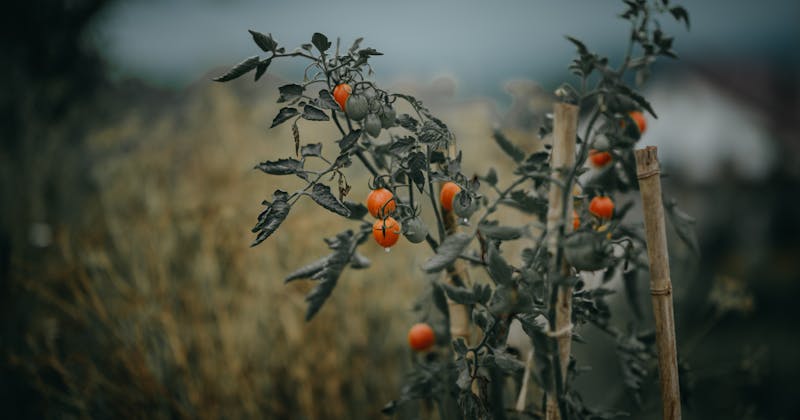
Standard tomatoes are done by May in Florida. The Everglades cherry tomato is the exception — a wild Florida native that fruits year-round in Zone 9b/10a regardless of heat. If you planted in April, you're already harvesting. If you didn't, May transplants establish quickly in hot soil and start producing within 60 days.
Read our complete Everglades tomato guide for the full picture.
Grow bag size: 5–10 gallon with a cage or trellis. These plants sprawl aggressively.
How to plant: Transplant established seedlings — don't start from seed in May, you'll lose a month. Buy a nursery start or get a cutting from someone who's already growing them.
Florida tip: Everglades tomatoes self-seed everywhere. By next spring, you'll have volunteer plants popping up in your grow bags, in cracks in your patio, in the mulch bed. That's a feature, not a bug.
Everglades Tomato Seeds (30 Seeds, Non-GMO)
Wild Florida heirloom cherry tomato. Heat-tolerant, self-seeding, and productive year-round in Zone 9b/10a. The only tomato worth planting in May. (paid link)
Check price on Amazon (paid link)6. Malabar Spinach
Your summer greens solution — produces nonstop in the exact conditions that kill regular spinach.
Regular spinach bolted weeks ago. Malabar spinach is a tropical vine that produces thick, slightly mucilaginous leaves all summer. It loves heat, loves humidity, and grows faster the hotter it gets. By July, you'll be giving leaves away.
Grow bag size: 5–10 gallon with a trellis. Malabar spinach is a vigorous climber that can reach 10+ feet.
How to plant: Direct sow 1/2 inch deep. Soak seeds overnight first — they have a hard outer shell that slows germination. Or transplant starts if your nursery has them.
Florida tip: Malabar spinach is cut-and-come-again. Harvest the larger leaves from the bottom, and the vine keeps climbing and producing. One plant provides more greens than a family of four can eat.
7. Hot Peppers
Last call for pepper transplants — plant now and they'll produce for years.
May is the final practical window to transplant hot peppers in Florida. They need time to establish roots before peak summer stress hits in June and July. The good news: pepper plants are perennial in Zone 9b/10a. A habanero planted this month can produce fruit for 2–3 years without replanting.
Grow bag size: 5 gallon. Hot peppers have compact root systems.
How to plant: Transplant nursery starts only — no time for seeds. Get the plant in the bag, water deeply, and let it focus on root development for the next 3–4 weeks.
Florida tip: By mid-June, move pepper bags to a spot with morning sun and afternoon shade. The fruits develop better when the plant isn't heat-stressed all day. This is where grow bags' portability pays off — raised beds can't do this.
8. Roselle (Florida Cranberry)
A stunning tropical plant that produces tart, cranberry-flavored calyxes in the fall.
Roselle is an underrated crop for Florida grow bags. It's a hibiscus relative that grows 4–6 feet tall in a single season and produces bright red calyxes in October through December. Those calyxes make tea, jam, syrup, and a tart cranberry-like sauce that's become a farmer's market staple in South Florida.
Grow bag size: 10–15 gallon. Roselle gets big — it needs root room and a stable base.
How to plant: Direct sow 1/2 inch deep (May's soil temp is ideal for germination) or transplant starts. Space one plant per bag.
Florida tip: Roselle is photoperiod-sensitive — it doesn't flower until day length shortens in fall, regardless of when you plant. May planting gives the plant maximum growing time to get big before flowering starts. Bigger plant = more calyxes = more harvest.
Why it's lazy: Plant in May, ignore all summer, harvest in fall. No pest issues, no disease problems, no fussing. It practically grows itself in Florida.
What NOT to Plant in May (Don't Waste a Grow Bag)
These crops cannot survive what's coming. Don't plant them until October or November:
- Lettuce, spinach, arugula — they bolted in April. In May they won't even germinate before wilting
- Broccoli, cauliflower, cabbage, kale — cool-season brassicas melt in summer humidity
- Carrots, beets, radishes — root crops need cool soil; May soil temps cook seeds before they sprout
- Standard tomatoes — nighttime temps above 75°F prevent fruit set. Only Everglades variety works
- Cucumbers — surprising to many, but Florida summer downy mildew kills cucumbers by June. Don't bother
- Zucchini and summer squash — vine borers will destroy them within weeks. Grow Seminole pumpkin instead
- Bush beans (green beans) — they stop producing above 90°F. Switch to southern peas or yard-long beans
For the full list of crops that fail in Florida's conditions, read Plants That Fail in Florida Zone 10a.
May Setup Checklist for Grow Bag Gardens
Summer is here. Your grow bag garden either runs on autopilot or it dies. Run through this list:
- [ ] Drip irrigation running daily. Not every 2–3 days like April — daily watering is now the baseline. Our drip kit guide covers setup.
- [ ] Solar timer programmed for early morning. Water before 8 AM to minimize evaporation and give leaves time to dry before afternoon humidity spikes. Solar vs. battery timer comparison.
- [ ] Mulch the top of every grow bag. A 2-inch layer of straw, pine bark, or wood chips on top of your grow bag soil reduces evaporation by 25–30%. This is the cheapest upgrade you can make before summer.
- [ ] Shade plan ready. Peppers and herbs benefit from afternoon shade once we hit consistent 95°F days. Grow bags are portable — plan where you'll move them. Your grow bag guide covers placement strategy.
- [ ] Pest baseline established. Check all plants now for aphids, whiteflies, and spider mites. Summer heat and humidity accelerate pest cycles. Catching problems in May prevents infestations in July. See our pest prevention guide.
vinmoso 10-Gallon Grow Bags 10-Pack
Thick 300GSM nonwoven fabric. Reinforced handles, BPA-free, UV-resistant. The grow bags we recommend for Florida heat — they breathe, drain, and last multiple seasons. (paid link)
Check price on Amazon (paid link)Smart WiFi Solar Water Timer 2-Zone
Solar-powered, WiFi-connected, 2-zone watering. The most important investment for a Florida summer garden — set it up once and your grow bags water themselves. (paid link)
Check price on Amazon (paid link)FAQ
Is May too late to start a garden in Florida?
No — May is actually ideal timing for heat-loving crops. Sweet potatoes, okra, southern peas, Seminole pumpkin, and Everglades tomatoes all thrive when planted in May. You've missed the window for cool-season crops, but the summer producers do best when planted into hot soil. If you're starting your first Florida garden, May gives you crops that practically grow themselves through summer.
How often should I water grow bags in May in Florida?
Daily. By May, soil temperatures in grow bags regularly exceed 85°F, and the fabric walls allow moisture to evaporate from all sides. Water early morning (before 8 AM) to reduce evaporation and fungal risk. A solar-powered drip timer is the difference between a thriving summer garden and a dead one — automate this.
What is Seminole pumpkin and why should I grow it?
Seminole pumpkin is a squash variety originally cultivated by the Seminole people in Florida. It's uniquely resistant to vine borers (the pest that kills most squash in Florida), tolerates extreme heat and humidity, and produces 2–4 pound fruits with butternut-like flavor. One plant can yield 10+ fruits that store for months without refrigeration. It's arguably the most Florida-adapted food crop you can grow.
Can I still plant tomatoes in Florida in May?
Only the Everglades cherry tomato. Standard tomato varieties stop setting fruit when nighttime temperatures stay above 75°F, which happens by May in Zone 9b/10a. The Everglades cherry tomato is a wild Florida native that fruits year-round regardless of heat. Use transplants, not seeds — you need the head start. See our Everglades tomato guide for details.
What's the biggest mistake beginners make planting in May in Florida?
Planting crops from national gardening guides that assume temperate climates. Cucumbers, zucchini, green beans, and standard tomatoes all fail in Florida summer — they're in every "May planting guide" but none of them work here. The crops on this page are specifically selected for Florida's summer conditions: 90°F+ days, 75°F+ nights, daily rain, and extreme humidity.
This Is Part of a Monthly Series
This is the May edition of our monthly Florida grow bag planting guide. Each month covers what to plant, what to skip, and how to set up your grow bags for the season ahead.
April was the transition. May is commitment. The crops you plant now are your summer garden. They'll produce through June, July, August, and into September while most of the country is in peak growing season and Florida is in survival mode.
Previous: What to Plant in Grow Bags This Month: April in Florida — the last comfortable planting window before summer.
New to grow bag gardening? Start with our complete grow bag guide and come back here when you're ready to plant. Want the lowest-effort options? See the easiest vegetables for Florida grow bags.